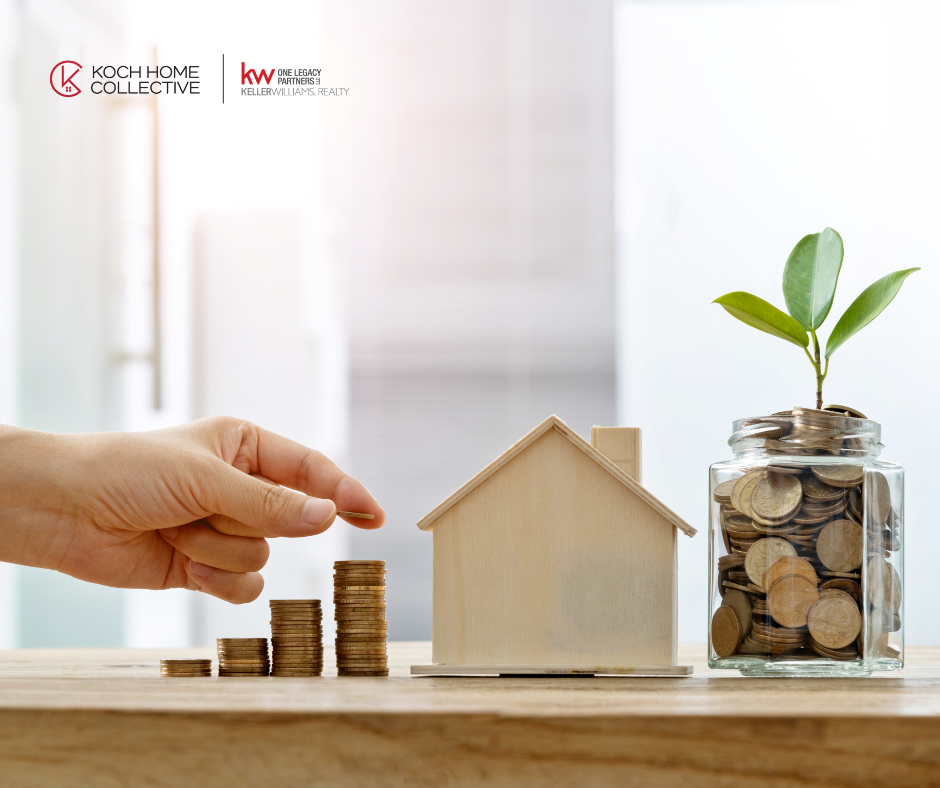
Buying a home is an exciting journey, but it comes with its own set of financial responsibilities, including closing costs. These costs can catch many first-time buyers off guard if they are not properly prepared. Understanding what closing costs entail and how to budget for them is crucial for a smooth home buying experience.
*We are not financial advisors. For personalized advice, it is always best to consult with a tax professional.*
What are closing costs?
Closing costs are the fees and expenses you need to pay when finalizing a real estate transaction. These costs are paid at the closing of the deal, when the title of the property is transferred from the seller to the buyer. Closing costs typically range from 2%-5% of the loan amount, but the exact amount can vary based on factors like the location of the property and the specifics of the transaction.
Common Components of Closing Costs
Loan origination fees
- What it covers: fees charged by the lender for processing the loan application.
- Typical cost: 0.5% to 1% of the loan amount.
Appraisal fees
- What it covers: the cost of having the property appraised to determine its market value.
- Typical cost: $300 - $500
Home inspection fees
- What it covers: the cost of a professional home inspector to identify any potential issues with the property.
- Typical cost: $300 - $500
Title search and title insurance
- What it covers: fees for researching the property's title history and for insuring against title defects.
- Typical cost: $300 - $1,500 (varies depending on loan amount/purchase price)
Recording fees
- What it covers: charges for recording the property's deed and mortgage with the local government.
- Typical cost: $30 - $500 (varies depending on if there is a mortgage/page count of documents)
Prepaid costs
What it covers: upfront payments for homeowner's insurance and mortgage interest.
Typical cost: varies widely based on the specifics of the property and local rates.
Private Mortgage Insurance (PMI)
What it covers: required if your down payment is less than 20%, this insurance protects the lender in case of default.
Typical cost: 0.3% - 1.5% of the original loan amount per year.
How to Prepare for Closing Costs
Budget Early
- Start planning for closing costs as soon as you begin your home search. Use a closing cost calculator to get a rough estimate based on the price range of homes you're considering. Your lender (if you are getting a home loan) will also be able to provide you with a more accurate breakdown of your closing costs based on your desired price range and location.
Save Diligently
- Set aside a specific savings fund for closing costs in addition to your down payment. Consistent, small contributions can add up over time.
Get a Loan Estimate
- When you apply for a mortgage, your lender will provide a Loan Estimate, which outlines the expected closing costs.
Negotiate with the Seller
- In some cases, you can negotiate with the seller to cover part or all of the closing costs.
Shop Around
- Some closing costs, like home inspections and title insurance, can vary significantly. Get multiple quotes to ensure you're getting the best price.
Understanding and preparing for closing costs is a crucial step in the home buying process. By budgeting early, saving diligently, and reviewing all estimates and disclosures carefully, you can ensure a smooth closing experience. Being well-prepared helps you avoid last-minute surprises and also sets a solid foundation for you as a new homeowner.