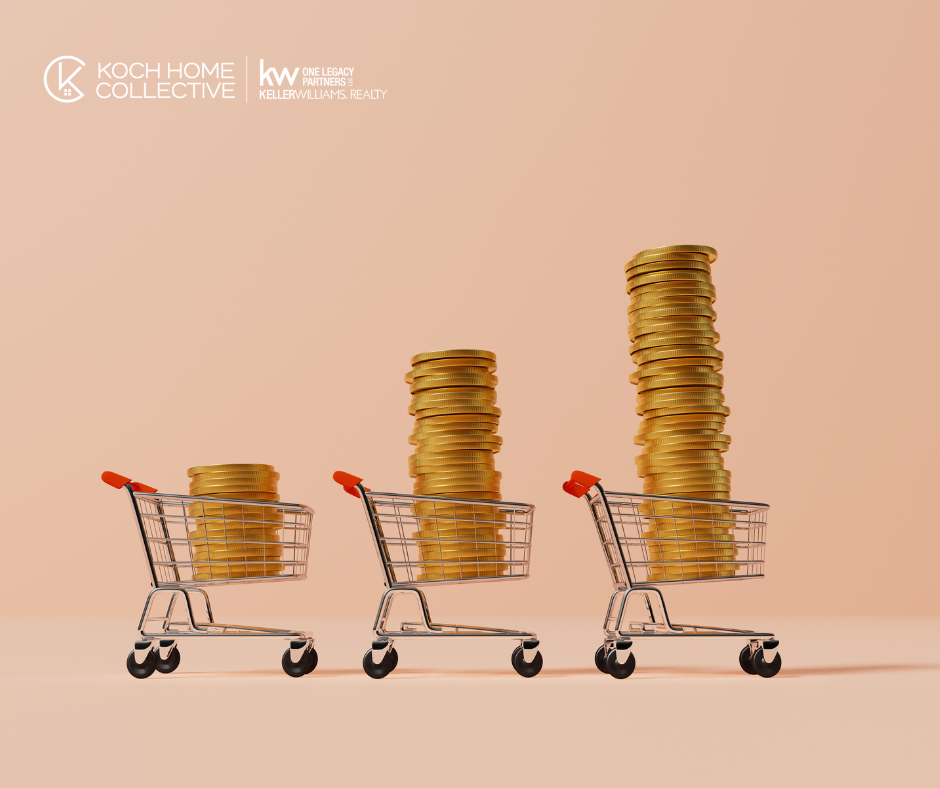
No matter your role in the real estate world (buyer, seller, investor, peruser, etc), understanding the relationship between inflation and real estate can help you make smarter financial decisions. Inflation is a term we hear often, especially during times of economic uncertainty, but how does it affect the real estate market? Let's break it down.
Rising Home Prices Inflation often leads to higher costs for goods and services, and real estate is no exception. Why does this happen? As the price of construction materials, labor, and land increases, so does the cost of building new homes. These higher costs can drive up home prices, even for existing properties. What does this mean for buyers? Homes may become less affordable in an inflationary period, especially if wages don't rise at the same time. Act strategically and look for properties in areas with stable or slower price growth. What does this mean for sellers? Inflation can work in sellers' favor, as rising prices may increase the value of their property. However, higher prices could limit the pool of qualified buyers, making it more of a challenge to sell.
Higher Mortgage Rates As we've seen over the last few years, inflation often puts upward pressure on interest rates, including mortgage rates. To combat inflation, central banks like the Federal Reserve may raise interest rates which increases borrowing costs across the board. What does this mean for buyers? Higher interest rates translate to higher monthly payments, potentially narrowing the buyer's purchasing budget. Buyers may need to adjust their budgets or explore creative financing options. What does this mean for sellers? With fewer buyers able to qualify for loans, homes may take longer to sell. Pricing competitively will make your listing stand out.
The Appeal of Real Estate as an Investment During inflationary periods, real estate often becomes a more attractive investment compared to other assets. Real estate is a tangible asset that typically appreciates over time. Rental income also tends to rise with inflation, making it a stable source of returns for landlords. What does this mean for investors? This is a great time to own rental properties, as demand for housing remains strong, and rents can keep pace with inflation. However, keep in mind, acquiring properties may be more expensive due to rising costs.
Supply and Demand Shifts Inflation can influence housing supply and demand in several ways. Higher construction costs may lead to fewer new homes being built, limiting inventory and driving prices higher. Rising prices and mortgage rates may cause some buyers to delay purchasing, which could cool demand in certain segments of the market. What does this mean for buyers and sellers? Pay attention to local market conditions!! In some areas, reduced inventory might keep demand high, while in others, affordability challenges may lead to slower sales.
The Role of Location Inflation doesn't affect all markets equally. Factors like job markets, population growth, and housing supply can influence how inflation impacts specific areas. What does this mean for buyers and sellers? Prices may continue to rise despite inflation in areas with strong economies and limited inventory. In other regions, affordability concerns might lead to more balanced or even buyer-friendly markets.
How to Navigate the Market During Inflation Inflation can create challenges, but challenges create opportunities! How can buyers stay ahead? Get pre-approved for a mortgage and lock in your interest rate early. Be sure to shop around, different lenders may be able to offer you different rates and programs to help lower your down payment cost. How can sellers stay ahead? Highlight the value and potential appreciation of your home. Be prepared to negotiate with buyers navigating higher costs. How can investors stay ahead? Focus on long-term gains. Rental properties and multi-family units can provide steady income while appreciating over time.
Inflation is a natural part of the economic cycle, and while it is scary and can create uncertainty, understanding its impact on the market can help you make informed decisions. Whether you're buying, selling, or investing, it's essential to work with a knowledgable real estate team who can guide you through the changing market.
Have questions about how inflation might affect your real estate plans? Contact us today - we are here to help!